Knee-High Leather Riding Boots: Fit, Style & Care
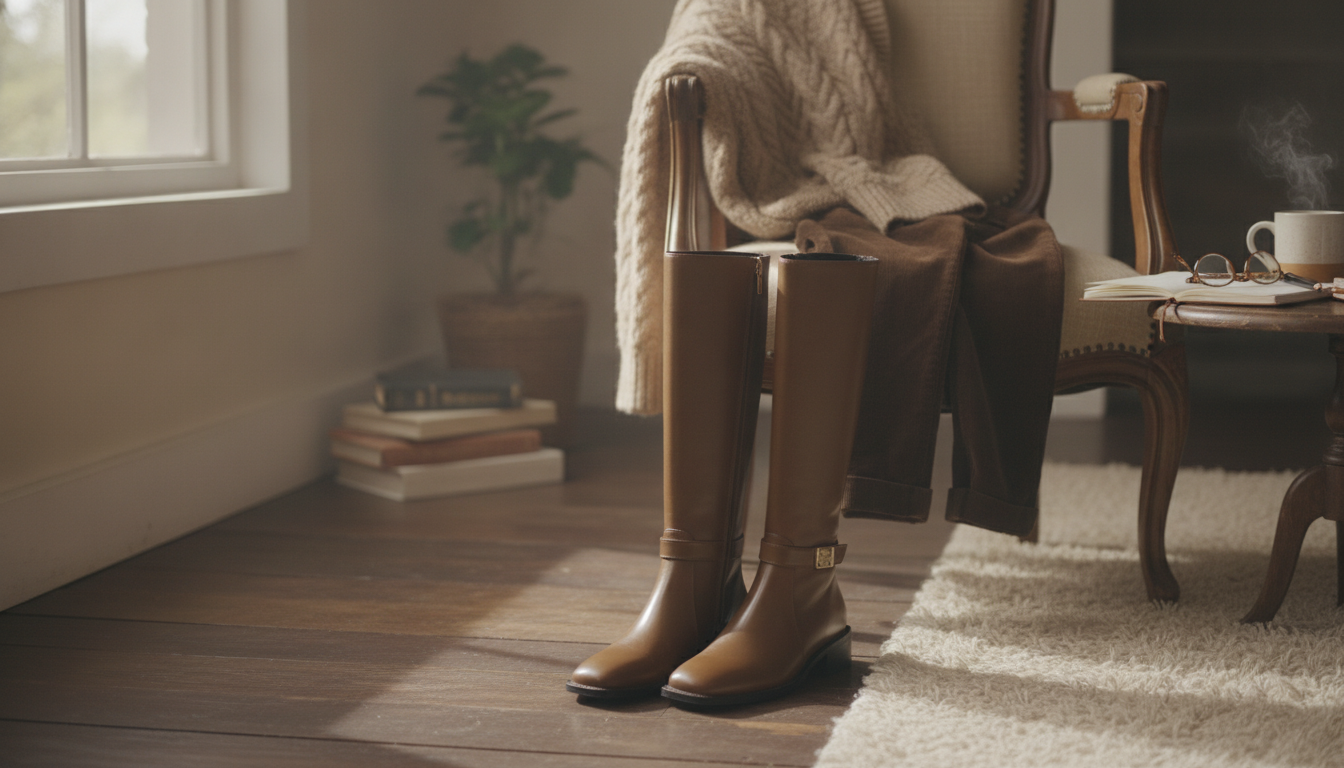
Women’s Knee-High Leather Riding Boots: Fit, Finish, and Everyday Styling
Knee-high leather riding boots balance structure and comfort, making them a dependable choice for cool-weather outfits and long days on the move. A great pair feels steady underfoot, looks polished with minimal effort, and stays comfortable from morning commutes to dinner plans. Below, you’ll find practical details to check—leather quality, shaft fit, sole stability, and care—plus outfit formulas that stay relevant year after year. For more guidance, see Amazon Essentials Women’s Knee High Riding Boot – TTCSI.
What Makes a Riding Boot Feel “Right”
Riding boots are defined by a refined, supportive silhouette that’s designed for real walking—not just looking good in photos. When a pair feels “right,” a few details tend to show up together.
- Stable silhouette: A straight or slightly contoured shaft should support the leg without pinching behind the knee.
- Comfortable structure: Enough rigidity to hold shape, with flex at the ankle and forefoot so each step feels natural.
- Grounded step: A low to mid heel paired with a supportive sole helps reduce fatigue over long wear.
- Clean detailing: Minimal hardware and refined seams keep the boot versatile across casual and polished outfits.
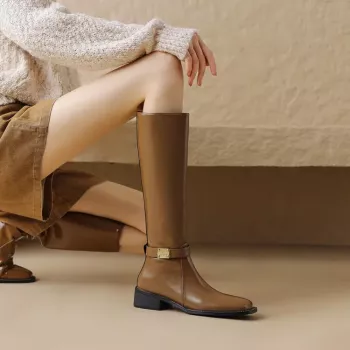
If you’re shopping for a classic, wear-anywhere pair, start with a streamlined option like Women’s Knee-High Leather Riding Boots, then fine-tune based on fit and finishing details.
Leather, Lining, and Construction Details to Check
Two boots can look similar on a product page but feel completely different after a few hours. These checkpoints help separate a “special occasion” boot from a true everyday staple.
- Leather feel: Smoother grain tends to read dressier; more textured grain often hides small scuffs better for daily wear.
- Lining and comfort: A lining that reduces friction at the calf and ankle makes a noticeable difference for all-day use.
- Footbed support: Cushioning at the heel plus arch support can be the difference between “fine” and “all-day comfortable.”
- Sole grip: A lightly textured outsole improves traction without making the boot look chunky.
- Closure style: Pull-on styles look sleek; side zippers can make knee-high boots much easier to get on and off—especially in colder months.
When possible, check brand guidance on materials and care. For general best practices on maintaining leather, Leathercare.org is a helpful reference point.
Getting the Fit Right: Calf, Shaft Height, and Toe Room
Fit is where knee-high boots become either a daily go-to or a “looks great, never wear” regret. Prioritize three zones: calf, behind the knee, and toe room.
- Calf fit: Aim for close-but-not-tight—snug enough to prevent slouching, but roomy enough for thicker socks or tights.
- Behind-the-knee comfort: Leave a little clearance at the top of the shaft so it doesn’t dig in when sitting, driving, or walking upstairs.
- Shaft height: A true knee-high shaft elongates the leg; a slightly shorter shaft can feel more comfortable for petite frames or shorter inseams.
- Toe box: Toes should lie flat without pressing the front; a slightly roomier toe often feels better in colder weather (and with thicker socks).
- Break-in expectations: Leather can relax with wear, especially at the ankle and calf—avoid buying a pair that already feels loose.
If you’re between sizes, measuring helps. For a clear guide to getting accurate measurements, see FootHealthFacts.org’s shoe buying tips.
Outfit Formulas That Work Year After Year
Riding boots earn their place in a closet because they handle repeat outfits without looking repetitive. The styling trick is to keep lines clean at the calf and add texture (knits, wool, denim) up top.
- Polished minimal: Slim trousers or leggings + a clean knit keeps the look streamlined.
- Soft contrast: A ribbed sweater with a straight skirt adds texture without bulk around the calf.
- Modern equestrian: Tailored pants + a tucked-in top; finish with a belt to echo classic riding lines.
- Day-to-night: Keep the boots as the anchor; swap a tee for a sweater or structured layer as temperatures drop.
Quick Styling Matches
| Look | Best Pairing | Why It Works |
|---|---|---|
| Clean & casual | Calvin Klein Women’s V-Neck T-Shirt – Stylish Fall/Winter Essential + straight jeans | Keeps the boot as the focal point while staying effortless |
| Tailored weekend | Vivienne Westwood Linen Pants + fitted top | Creates a long line and balances the boot’s structure |
| Cozy elevated | Chloé Ribbed Cashmere Sweater + slim bottoms | Adds softness up top while maintaining a sleek calf fit |
Care and Storage for Leather Knee-High Boots
Leather boots age best when they’re protected early and stored with shape in mind. A few small habits go a long way toward keeping the shafts smooth and the leather supple.
A Simple Buying Checklist Before Checkout
FAQ
Do knee-high leather riding boots stretch over time?
Leather can relax slightly at the calf and ankle with wear, but major size changes are unlikely. Choose a secure fit that isn’t painful, and store boots upright so structured shafts hold their shape.
How should knee-high boots fit behind the knee?
There should be a small amount of clearance at the top of the shaft so the boot doesn’t dig in when walking, sitting, or going up stairs. The shaft should feel supportive but not restrictive, and comfort will vary based on shaft height and leg shape.
What’s the best way to protect leather boots from rain and salt?
Use a leather-appropriate water protector before wear, wipe boots down promptly after exposure, and gently clean salt marks as soon as you notice them. Let boots air-dry away from heat, reshape the shaft while drying, and condition afterward to keep the leather from drying out.








Leave a comment