Flowerpot Cat Litter Box: Smart Deodorizing, Spacious
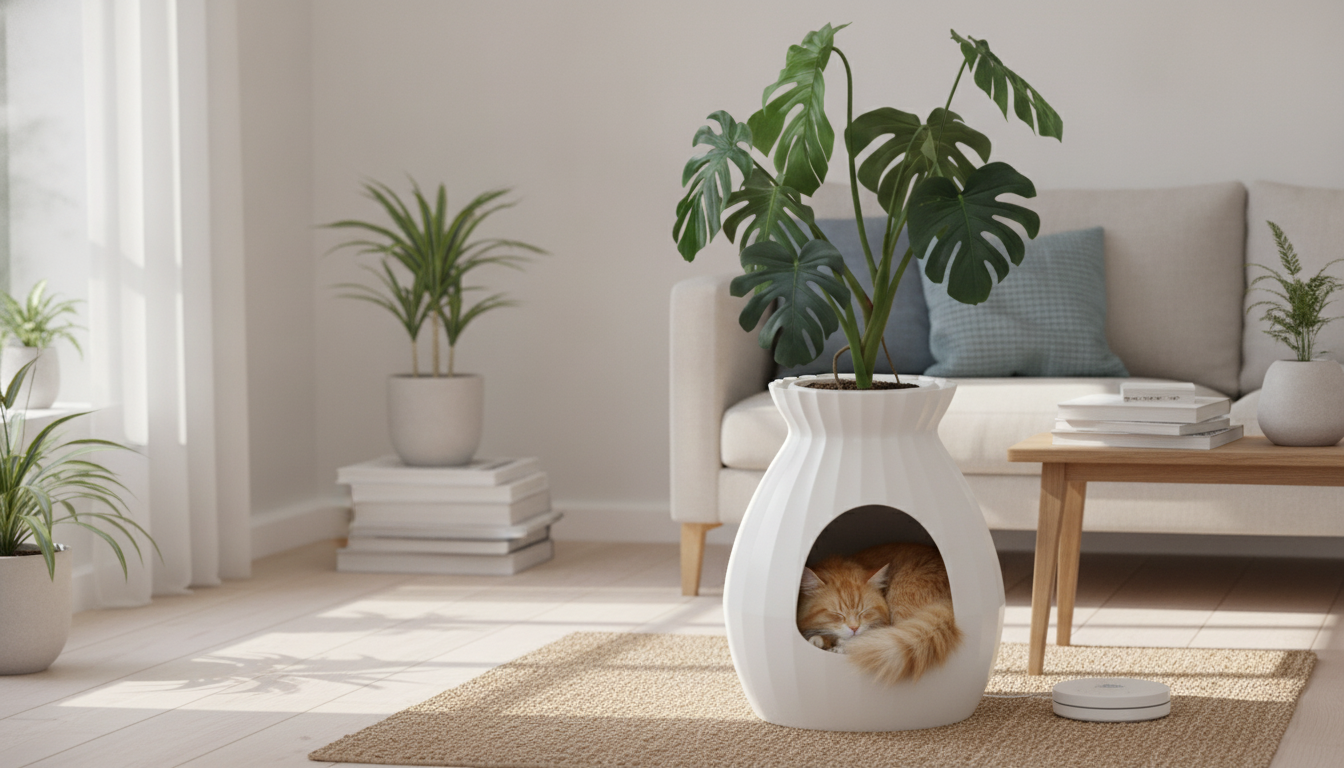
Modern Flowerpot-Style Cat Litter Box with Smart Deodorization and Spacious Design
A litter box can blend into a living space without sacrificing comfort for cats or odor control for people. This modern flowerpot-style design pairs a roomy interior with smart deodorization to help keep daily cleanup simple while maintaining a discreet, décor-friendly look. For more guidance, see Best Cat Litter Boxes – Consumer Reports.
A discreet look that fits real homes
Traditional litter boxes often force a tradeoff: put it somewhere convenient for your cat, or hide it where guests won’t notice. A flowerpot-inspired silhouette helps close that gap by presenting the litter box more like a home accent than a pet accessory. For further reading, see Best Automatic Litter Boxes 2026 – Forbes Vetted.
- Flowerpot-inspired silhouette designed to look like a home accent rather than a pet accessory
- Helps reduce visual clutter in small apartments, open-concept layouts, and multi-use rooms
- Encourages consistent placement (and fewer accidents) by making it easier to keep the litter box in an appropriate, accessible spot
When the box is easy to live with visually, it’s easier to keep it in a stable, predictable location. That matters because frequent location changes can make some cats hesitate or “hold it,” which is the opposite of what anyone wants in a busy household.
Smart deodorization: how it supports a fresher room
Odor control works best as a system: good litter, consistent scooping, and a structure that limits how smells travel. Smart deodorization can add helpful support, especially in smaller rooms, shared living spaces, or areas without strong cross-ventilation.
- Deodorization is most effective when paired with regular scooping and a stable litter depth
- A contained structure can help limit odor spread by reducing direct airflow over soiled litter
- Ideal for homes sensitive to smells, shared spaces, or rooms without strong ventilation
If odor issues persist even with good habits, it may point to a litter preference problem, an insufficient number of boxes, or a medical concern. For behavior-related guidance, the ASPCA’s overview of litter box problems and Cornell’s resource on feline house-soiling are both useful starting points.
Odor control habits that work well with smart deodorization
| Routine | How often | Why it helps |
|---|---|---|
| Scoop clumps/solids | 1–2 times daily | Removes odor source before it spreads |
| Top up litter to a consistent depth | Every 2–4 days | Improves clumping and reduces stuck-on waste |
| Wipe interior surfaces | Weekly | Prevents residue buildup that can hold odor |
| Full litter change + wash | Every 2–4 weeks (adjust as needed) | Resets the box and reduces lingering smell |
Spacious design for comfort and confidence
Space isn’t just a luxury for cats—it’s often the difference between smooth routines and frustrating “almost made it” moments. A roomy interior gives cats enough clearance to turn, choose a spot, and cover comfortably, which can be especially important for larger cats or cats with thick coats.
- Roomy interior supports natural turning and covering behavior, especially for larger cats
- More space can reduce stress for cats that dislike tight enclosures
- A comfortable box can help prevent “near-miss” elimination (going just outside the box)
Comfort also supports consistency. When a box feels cramped or awkward, some cats rush, perch, or avoid entering fully—behaviors that can lead to urine on the edge, litter kicked out, or accidents nearby.
Cleaner floors with a contained layout
Litter tracking is a daily annoyance, especially when the box sits near a hallway, mudroom, or the route to the kitchen. A contained layout can reduce scatter by controlling how litter exits the box and encouraging a cleaner step-out.
- Enclosed/structured designs can reduce scatter by limiting how litter exits the box
- Helps keep paws and surrounding flooring cleaner, especially near high-traffic walkways
- Placement tip: keep it away from food and water, and choose a low-traffic corner to support consistent use
For even better results, pair the box with a textured litter mat positioned where your cat naturally steps after exiting. If your cat tends to bolt out (common in playful kittens), a slightly longer mat path can catch more granules before they reach smooth flooring.
Daily use and maintenance checklist
Even the best-designed litter box performs better with a few simple routines. These steps help the space stay inviting for your cat and easier on your nose.
- Keep the entry path clear so cats can approach without feeling cornered
- Use an unscented, clumping litter if a cat is fragrance-sensitive; introduce changes gradually
- Clean with mild soap and warm water; avoid harsh chemicals that can leave strong residues
- Monitor for behavior changes (avoidance, frequent trips, straining) that may signal discomfort or health concerns
Who this style suits best
In-stock picks to consider
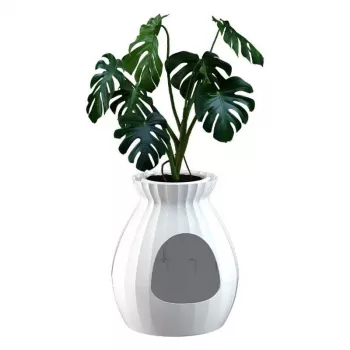
- Modern Flowerpot-Style Cat Litter Box with Smart Deodorization and Spacious Design
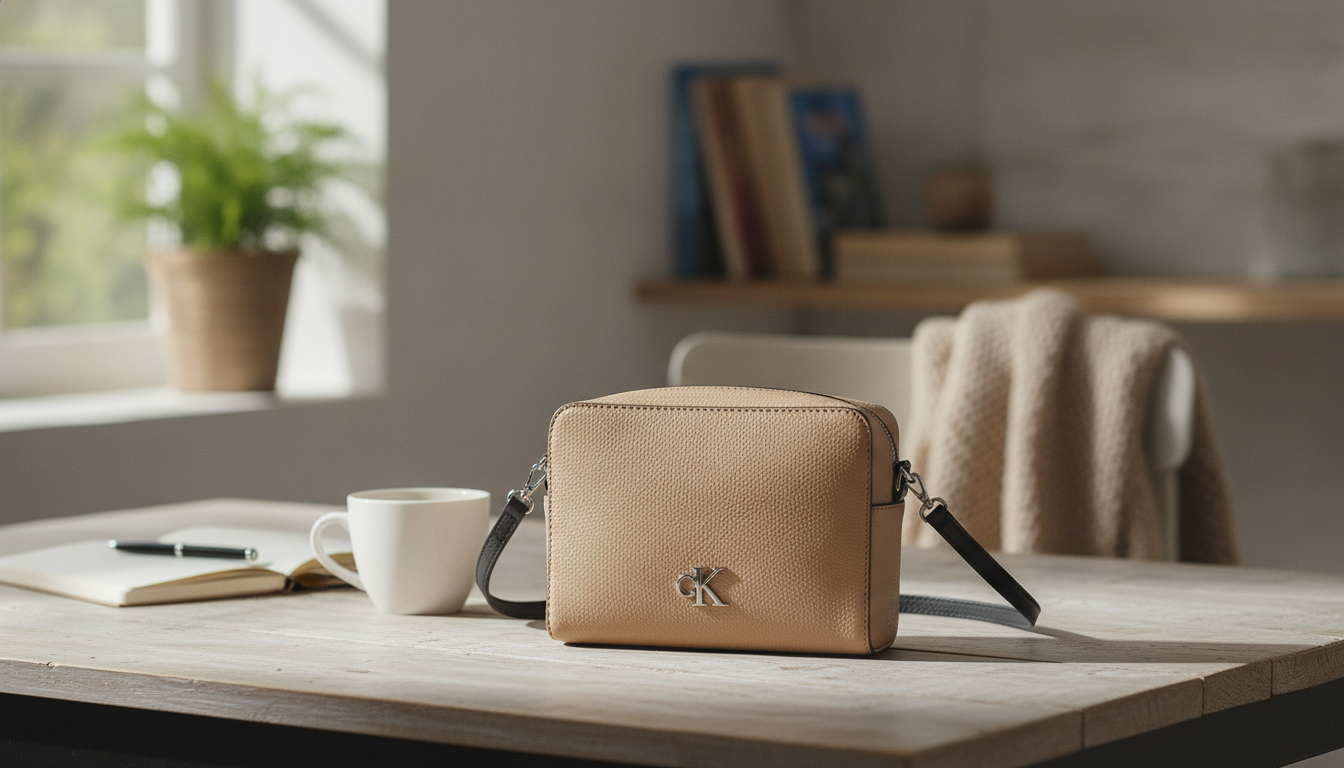
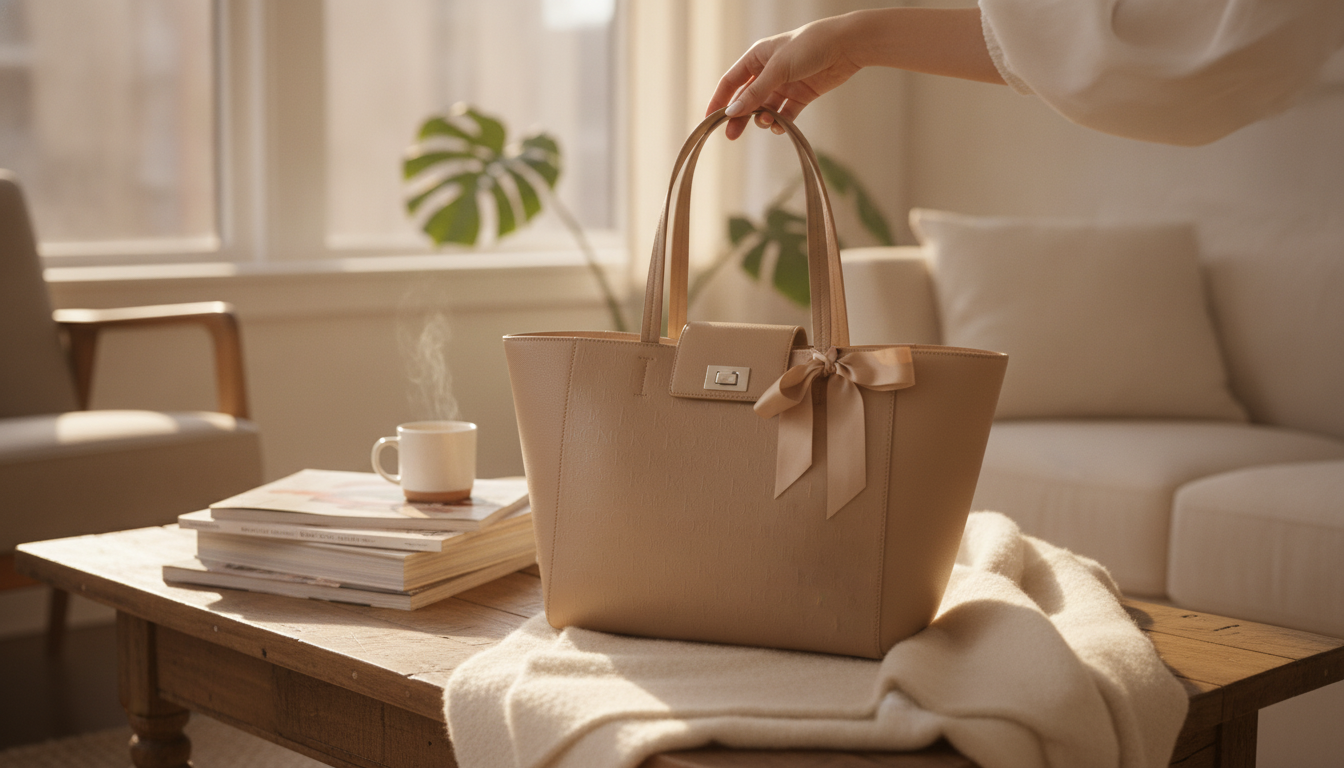
- Calvin Klein Jeans Women’s Handbag (a handy option for carrying pet supplies on the go)
FAQ
Will an enclosed, flowerpot-style litter box work for anxious cats?
Many cats enjoy the added privacy, but some feel safer with open boxes. Introduce it gradually, keep the entry unobstructed, and place it in a quiet, predictable spot so your cat can approach and exit without feeling trapped.
How often should a deodorizing litter box be cleaned?
Scoop 1–2 times daily, wipe interior surfaces weekly, and do a full wash with complete litter replacement every 2–4 weeks. Adjust based on the number of cats, the type of litter, and how quickly odor builds up in your space.
What’s the best way to reduce litter tracking around the box?
Use a litter mat at the exit, maintain a consistent litter depth, and position the box so your cat steps onto the mat instead of directly onto smooth flooring. For long-haired cats, careful paw-fur trimming (if your cat tolerates it) can also reduce tracking.








Leave a comment