Extra Large Outdoor Cat House: Platforms + Waterproof Cover
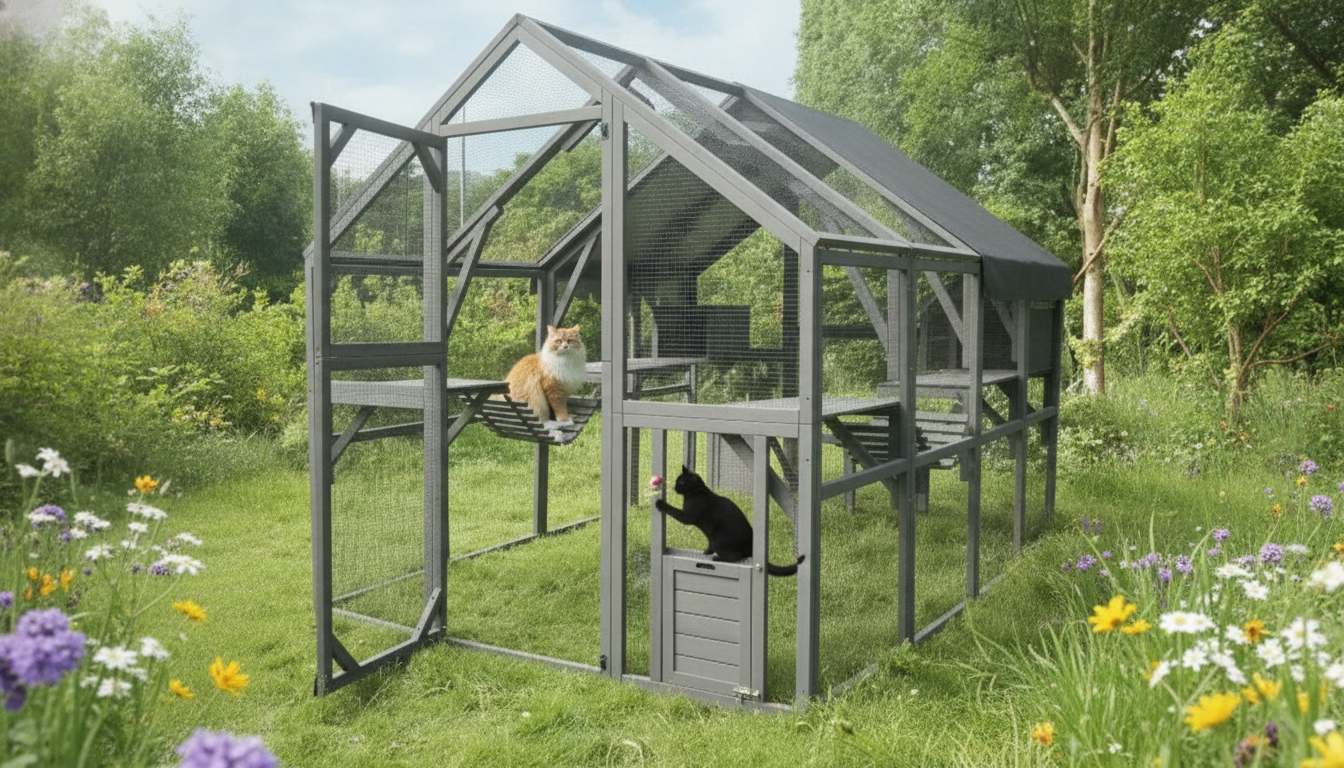
Extra Large Outdoor Cat Houses: The Basics That Matter Outdoors
An outdoor cat shelter works best when it combines weather protection, elevation, and enough space for a cat to rest, observe, and move comfortably. An extra large outdoor cat house with platforms and a waterproof cover can be a practical upgrade for porches, patios, and side yards—especially when real conditions include wind, splashback from rain, and seasonal temperature swings. Below are the features that tend to make the biggest difference, plus setup tips that help a shelter stay dry, stable, and inviting.
What Makes a Good Outdoor Cat House for Year-Round Use
Outdoor use is harder on materials and comfort than indoor lounging, so the “nice-to-have” features quickly become essentials once the weather changes.
- Weather defense that matches your climate: Rain protection, wind blocking, and a reliably dry sleeping area are the baseline.
- Elevated surfaces: Platforms keep cats off damp ground and offer a secure vantage point, which can increase willingness to use the shelter—especially for cautious cats.
- A large footprint: Extra room matters for bigger cats, multi-cat households, and cats that prefer to stretch out rather than curl tightly.
- Easy-to-clean interior: Smooth surfaces and accessible openings speed up maintenance, reduce odor, and discourage pests.
- Stability and anchoring: A sturdy base and non-wobbly platform supports are important when cats jump up or when wind hits an uneven patio.
Quick Feature Checklist for an Outdoor Cat House with Platforms
| Feature | Why it matters | What to look for |
|---|---|---|
| Waterproof cover | Prevents leaks and soggy bedding | Secure fit, water-shedding shape, durable material |
| Raised platforms | Adds comfort and confidence; keeps cats off wet ground | Non-slip surface, safe edges, stable support |
| Large interior space | Better for larger cats and longer stays | Room to turn around easily; comfortable resting area |
| Draft control | Reduces wind chill and improves warmth | Protected entry, enclosed sleeping zone, minimal gaps |
| Cleaning access | Helps maintain hygiene and reduces pests | Wide opening, removable/accessible panels, wipeable surfaces |
| Ground clearance | Reduces dampness and heat loss to the ground | Feet/legs that lift the floor off soil or concrete |
Why Platforms Change How Cats Use Outdoor Shelters
Platforms aren’t just an extra “hangout spot.” They can change how a cat approaches, enters, and shares the space.
- Observation and safety: Many cats prefer to check their surroundings before settling, so a perch can boost adoption of a new shelter.
- Better traffic flow: Platforms can act like a step into the main house, helpful for smaller, older, or hesitant cats.
- Multi-cat flexibility: One cat can rest inside while another stays on the platform, which can reduce resource guarding.
- Drier resting options: Elevated perches stay cleaner when the yard is wet and can keep fur drier after rain.
- Enrichment: Light climbing and perching can reduce boredom for cats that spend time outdoors near home.
Waterproof Cover: What It Should Do (and What It Can’t)
A waterproof cover is most effective when it’s treated as one part of a weather strategy, not the whole solution.
- It should shed rain and prevent pooling: Install it taut and make sure runoff drains away from entry points.
- Wind-driven rain can still get in: Placement matters—near a wall, under an eave, or behind a windbreak improves performance.
- Bedding still needs moisture control: Even a perfect cover can’t save wet bedding; choose insulation that stays dry and replace it when damp.
- Sun and time wear materials down: Check for small tears, loose edges, and worn corners so minor damage doesn’t turn into leaks.
- Snow is a separate challenge: In heavy-snow regions, clear accumulation so the roof and cover aren’t stressed.
For seasonal shelter best practices, see the Humane Society’s guidance on outdoor cats in winter: https://www.humanesociety.org/resources/caring-outdoor-cats-winter.
Placement and Setup for Real Outdoor Conditions
For more shelter placement ideas and practical outdoor setups for community cats, Alley Cat Allies offers visual examples: https://www.alleycat.org/resources/feral-cat-shelter-options-gallery/.
Comfort and Warmth Without Creating Hazards
The ASPCA also shares cold-weather safety reminders that apply to outdoor cats and changing conditions: https://www.aspca.org/pet-care/general-pet-care/cold-weather-safety-tips.
Care, Cleaning, and Keeping Pests Away
Who This Extra Large Setup Fits Best
Product Spotlight: Extra Large Outdoor Cat House with Platforms and Waterproof Cover
If you’re looking for a shelter that prioritizes both space and elevation, the Extra Large Outdoor Cat House with Platforms and Waterproof Cover is designed for outdoor use with built-in perching options that support lounging and observation. Pair it with wind-protected placement and dry, insulating bedding for the most dependable results.
At-a-Glance Details
| Item | Details |
|---|---|
| Name | Extra Large Outdoor Cat House with Platforms and Waterproof Cover |
| Availability | In stock |
| Price | 777.32 USD |
| Product page | View product |
More In-Stock Picks
FAQ
What bedding works best inside an outdoor cat house in winter?
Straw is a strong choice because it insulates well and resists moisture better than blankets or towels. Replace it regularly and remove any damp bedding right away so the sleeping area stays warm and dry.
Where should an outdoor cat house be placed to stay dry during storms?
Place it in a wind-protected spot such as near a wall, in a fence corner, or under an overhang, and aim the entrance away from prevailing wind. Elevate it on pavers or deck tiles and re-check the cover after heavy rain or wind.
Can multiple cats share an outdoor cat house with platforms?
Some cats will share if there’s enough space and multiple resting options, and platforms can help reduce conflict by offering separate “spots.” Monitor for guarding or blocking, and add a second shelter if one cat starts controlling access.










Leave a comment