Valentino Waterproof Jacket: Adjustable Hood, City-Ready
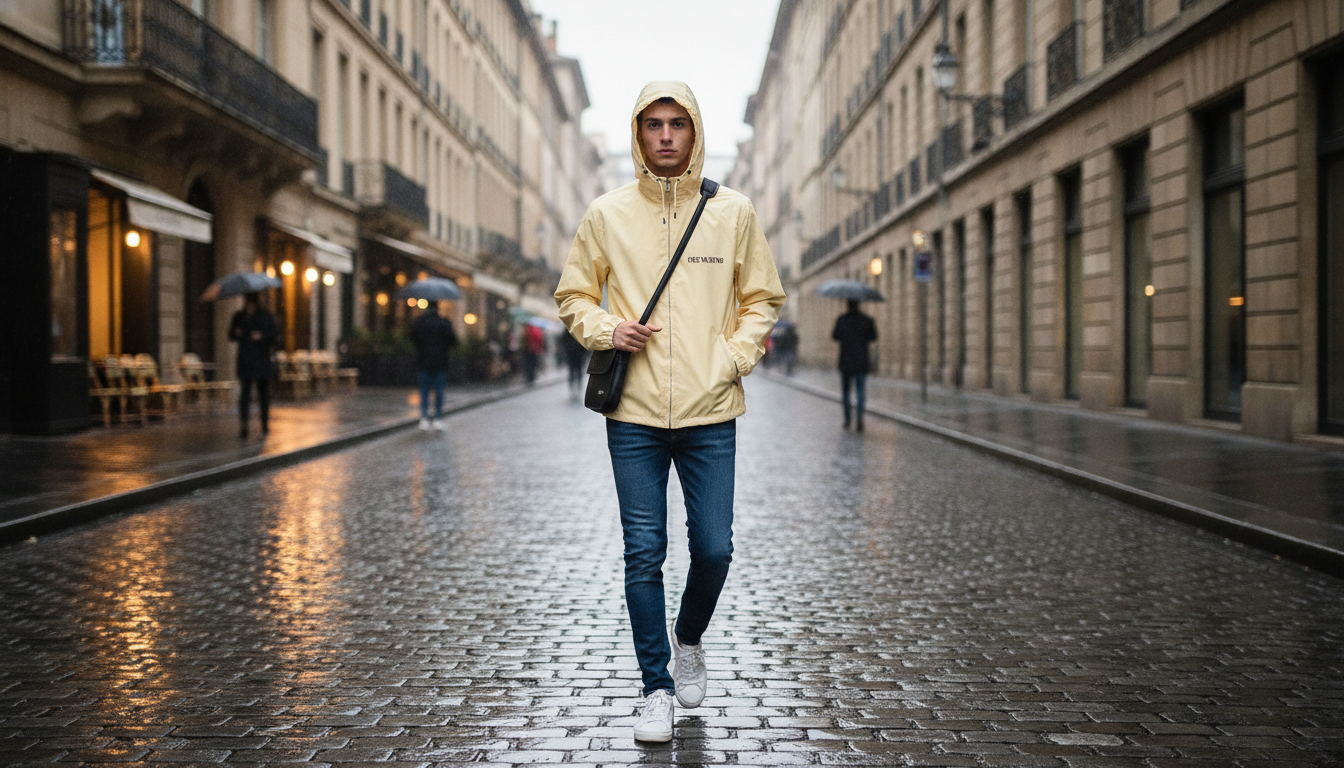
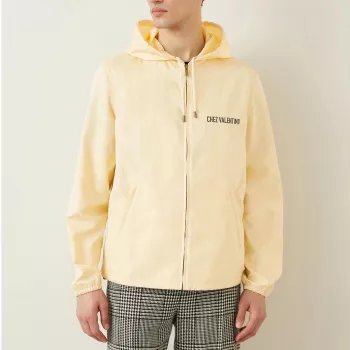
Valentino Waterproof Jacket with Adjustable Hood
A waterproof jacket earns its place when weather turns unpredictable and plans stay the same. This Valentino jacket pairs wet-weather protection with an adjustable hood for a more dialed-in fit—useful for wind, sudden downpours, and commuting days that shift from indoors to outdoors without warning.
If you’re building a wardrobe that handles real rain without looking overly technical, the Valentino Waterproof Jacket with Adjustable Hood lands in that sweet spot: clean lines, practical coverage, and an easy-to-style silhouette that transitions from weekday errands to travel days.
What stands out at a glance
- Waterproof outerwear designed to help block rain and surface moisture
- Adjustable hood to fine-tune coverage and reduce flapping in wind
- A streamlined layer that can work over officewear, knits, or casual basics
- Best suited for light-to-moderate activity days: city walking, travel, and everyday wear
Core features and practical benefits
Adjustable hood for on-the-fly coverage
The most useful rainwear details are the ones that reduce distractions. A hood that tightens when it’s windy and loosens when you’re wearing a cap or a thicker midlayer helps you stay comfortable without constantly repositioning fabric. In heavier rain, a closer fit also helps keep droplets from slipping in at the sides when you turn your head.
Waterproof shell to limit soak-through
A waterproof outer layer is designed to resist sustained rain exposure, helping keep the rest of your outfit from absorbing moisture. That matters most in real-life scenarios—walking from the train to the office, waiting for a rideshare, or covering multiple blocks with a bag on your shoulder.
Layering versatility across more months
In mild conditions, this type of jacket works as a top layer over tees and polos. As temperatures dip, it can sit comfortably over a sweater or sweatshirt, extending its usefulness into shoulder seasons. The goal is a jacket that doesn’t feel “special occasion” only—something that gets worn often because it solves a problem quickly.
Pack-and-go utility for travel and unpredictable forecasts
When itineraries include indoor/outdoor transitions, a waterproof jacket becomes a low-effort insurance policy. It’s the piece you keep near the door, toss in a carry-on, or bring to a weekend city break where the forecast changes by the hour.
Fit and comfort: getting the most from the hood and silhouette
Dial in the hood adjustment
A well-adjusted hood should move with your head rather than lag behind it. Tighten it enough to reduce wind intrusion, but avoid over-cinching—peripheral vision should stay clear so you can comfortably cross streets, navigate crowds, and keep awareness while commuting.
Prioritize shoulder and sleeve mobility
Leave room for a midlayer when needed
Check collar height and zip comfort
When to wear it
Care and longevity for waterproof outerwear
Waterproof shells last longer (and perform better) when they’re cleaned and dried correctly. Always follow the garment’s care label first—care instructions exist for a reason, and in the U.S. they’re governed by clear requirements (see the FTC Care Labeling Rule).
- Skip fabric softeners: softeners and heavy detergents can reduce water beading and impact breathability over time.
- Use gentle detergent: choose a mild option and avoid harsh additives that may affect coatings or seam construction.
- Re-proof when needed: if water stops beading on the surface, a re-waterproofing treatment designed for shells can help restore performance (guidance like Nikwax’s waterproof clothing care resources is a solid reference point).
- Drying matters: some finishes respond better to air-drying, while others benefit from low heat—stick to the label to avoid damaging coatings or trims.
For shoppers who like technical reassurance, waterproof performance is commonly evaluated through standardized testing methods such as hydrostatic pressure approaches (see ISO 811 for a reference standard).
Quick reference
| Detail | What to confirm | Why it matters |
|---|---|---|
| Waterproof performance | Waterproof construction noted on the product page/care label | Helps prevent soak-through during rain exposure |
| Hood adjustability | Presence and range of hood adjustment | Improves coverage and comfort in wind and rain |
| Layering space | Room for a tee + knit (if needed) | Keeps the jacket useful across more months |
| Closure/coverage | Zip and front coverage details shown on product images | Affects rain protection and warmth retention |
| Care routine | Cleaning and drying instructions | Protects waterproof finishes and extends wear life |
| Availability | In-stock status and return terms | Reduces purchase friction and sizing risk |
Styling ideas with pieces in stock
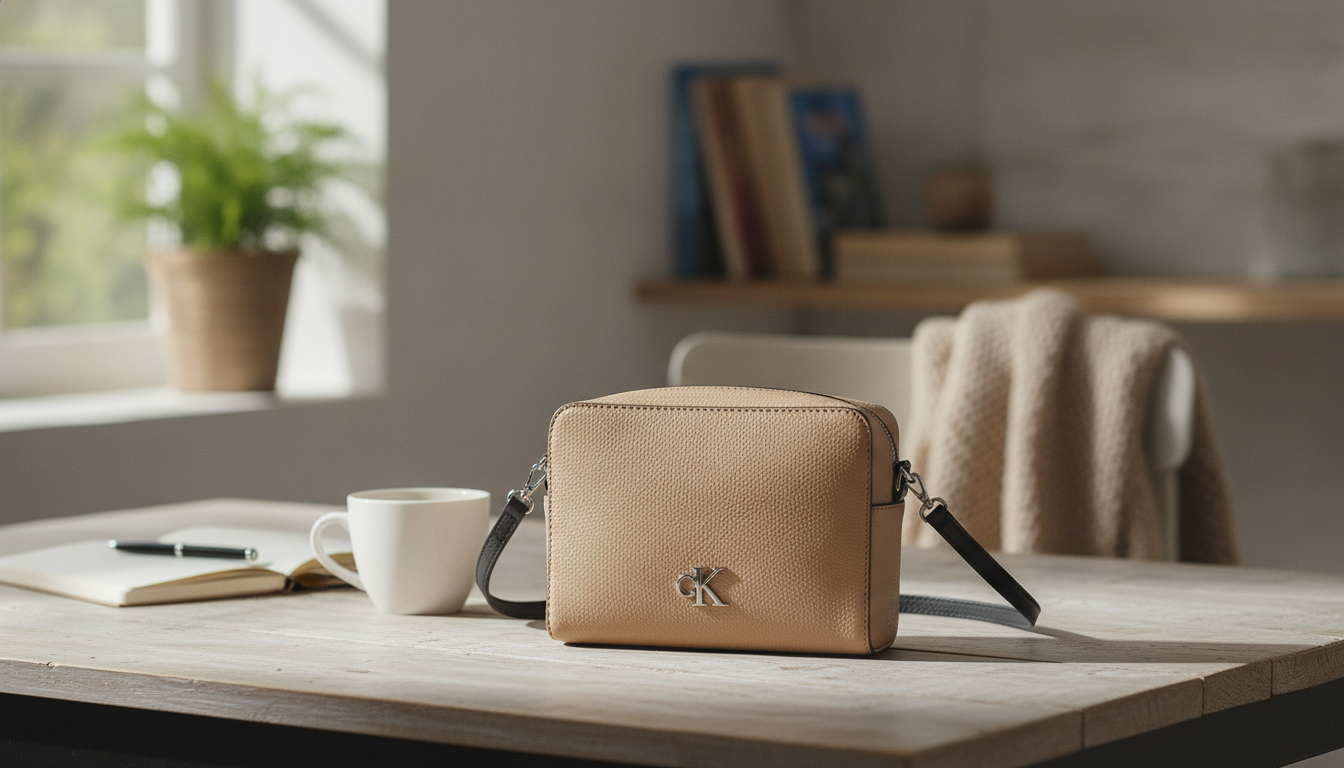
- Clean accessories: pair the jacket with the Calvin Klein Jeans Women’s Handbag for a city-ready look that stays polished in wet weather.
- Simple color grounding: add definition with the Fendi Leather Belt with FF Logo over knitwear or a longer top—especially effective if you like a more structured silhouette.
- Casual contrast: wear the jacket over the Calvin Klein Men’s Plain Blue Polo Shirt and jeans for an easy travel uniform that looks intentional without trying too hard.
- Keep materials balanced: waterproof outerwear typically looks best when the rest of the outfit stays streamlined (denim, cotton knits, minimal leather) rather than leaning fully “outdoor gear.”
FAQ
How should an adjustable hood fit on a waterproof jacket?
It should move with your head, sit close enough to cut wind, and stay out of your eyes. Adjust it so the edge doesn’t block peripheral vision while still sealing in coverage during gusts and heavier rain.
Can waterproof jackets be machine washed?
Often yes, but only if the care label allows it. Use a gentle detergent, avoid fabric softeners, and follow the recommended drying method to help preserve waterproof performance.
What’s the difference between waterproof and water-resistant?
Water-resistant fabrics handle light moisture for short periods, while waterproof designs are built to block sustained rain exposure using specialized materials and construction. For frequent commutes in real rain, waterproof is typically the safer choice.






Leave a comment