Versace Calfskin Sneakers: Fit, Style, and Care Guide
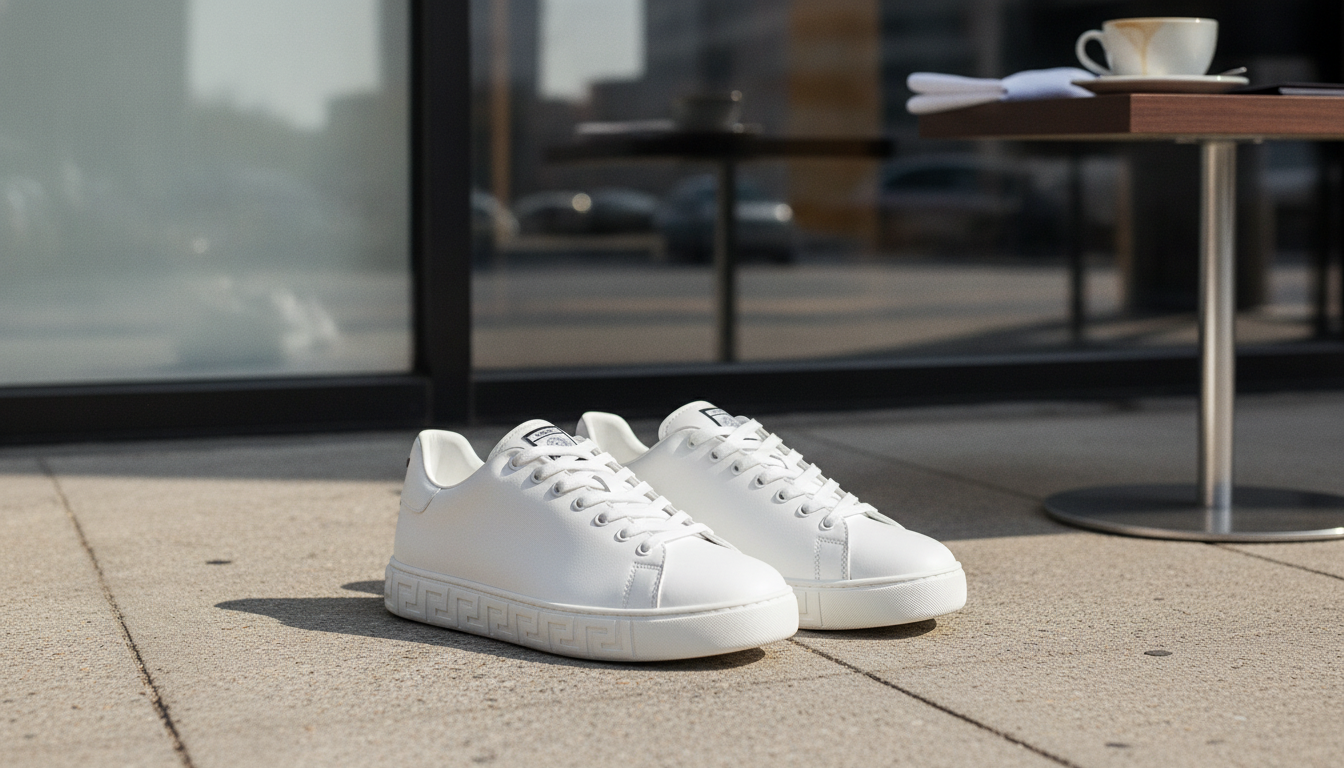
Versace calfskin sneakers bring together smooth leather, bold brand detailing, and an easy-to-style low-top profile that can move from denim days to sharper, tailored looks. Calfskin is prized for its refined surface and structured feel, so knowing what to check—grain, finish consistency, comfort, and care—helps you get that clean luxury look without sacrificing everyday wearability.
What Makes Calfskin Sneakers Feel Different
Calfskin is typically smoother and more refined than many other leathers, which gives sneakers a cleaner, more “finished” look. That polished surface reads elevated with straight-leg denim, minimal outfits, and even trousers that would overpower a more casual canvas pair.
A structured leather upper also tends to hold its shape longer, especially around the toe and quarters. Depending on the lining and toe box stiffness, that structure can come with a brief break-in period—usually a few short wears before the leather relaxes and feels more natural on foot.
One tradeoff: smooth leather can show scuffs more clearly than fabric. The upside is that most surface marks are manageable with a quick routine, especially when you wipe down dust and address scuffs early.
Design Details to Notice Before Buying
Upper and finish
Look for an even grain and consistent color across panels, especially at the toe and heel where light hits most. Clean alignment at seams matters: panel edges should meet neatly without rippling, puckering, or glue residue.
Brand elements
Logos, embossed details, and any hardware should sit flat and feel secure. Run a finger lightly along edges—nothing should be sharp enough to catch on socks or rub skin at the collar.
Midsole profile
A slightly thicker sole can add comfort and visual presence, giving an intentional “designer sneaker” stance. A slimmer profile looks more understated and can feel easier to dress up with trousers.
Lining and collar padding
More padding at the collar can reduce heel slip and make long wear more comfortable. If the collar is minimal, prioritize a secure heel fit and consider sock thickness to fine-tune feel.
Fit, Comfort, and Break-In
Toe room
Leather uppers can relax slightly in width, but the sneaker’s length will not meaningfully change. Aim for comfortable wiggle room from day one—especially if you plan to wear them for extended city days.
Heel hold
Check for heel lift by walking on a hard floor. Minor movement can sometimes be improved with lacing adjustments or slightly thicker socks, but consistent lift usually means the size or last shape isn’t right for your foot.
Arch and insole
If the insole is removable, a swap to an orthotic-friendly option can upgrade all-day comfort without changing the outer look. If it’s not removable, focus on getting the right size and using lacing to lock the midfoot.
Break-in approach
Start with short wears at home, then gradually extend to longer outings. Avoid getting new leather sneakers wet during break-in; water can stiffen panels as they dry and may set creases prematurely.
Quick Comparison: Calfskin vs Common Sneaker Materials
Use this quick chart to match material choice to lifestyle, climate, and how much upkeep you’re comfortable doing.
| Material | Look | Comfort over time | Maintenance | Best for |
|---|---|---|---|---|
| Calfskin leather | Polished, structured | Softens and molds with wear | Wipe, condition, protect from water | Smart-casual outfits, year-round rotation |
| Canvas | Casual, lightweight | Flexible quickly | Spot clean, can stain easily | Warm weather, relaxed styling |
| Suede | Rich texture, matte | Comfortable but delicate surface | Brush, protect, avoid rain | Dry climates, elevated casual looks |
| Coated/synthetic | Uniform finish | Less molding to foot | Easy wipe-down | Low-maintenance daily use |
How to Style Calfskin Sneakers (From Minimal to Statement)
Clean minimal
Lean into the crispness of calfskin with straight-leg jeans, a simple tee, and a light jacket. A smooth leather upper looks best when the rest of the outfit stays uncluttered—think clean lines and a tight color story.
Tailored contrast
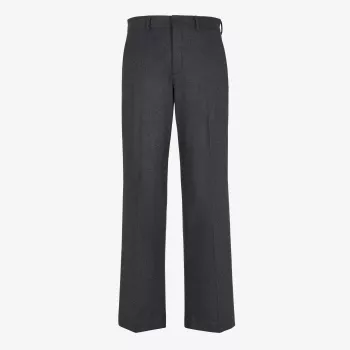
Calfskin sneakers can sit nicely beside linen or wool trousers. Keep the palette neutral so the sneakers read intentional rather than sporty; the contrast works especially well with Vivienne Westwood Linen Pants and a fine knit.
Street-ready without the noise
Color coordination
Echo one small sneaker detail—logo color, sole tone, or hardware—in a belt, bag, or outer layer. For an easy base layer that doesn’t compete with leather shine, try a clean tee like the Calvin Klein Women’s V-Neck T-Shirt – Stylish Fall/Winter Essential.
Care and Cleaning for Calfskin Sneakers
Conditioning helps keep calfskin supple and reduces the chance of cracking over time. Apply a small amount periodically, then buff to an even sheen. For more leather science and conservation guidance, consult resources from the American Leather Chemists Association (ALCA) and practical care references from the Leather Conservation Centre.
Spotlight Product: Versace Calfskin Sneakers
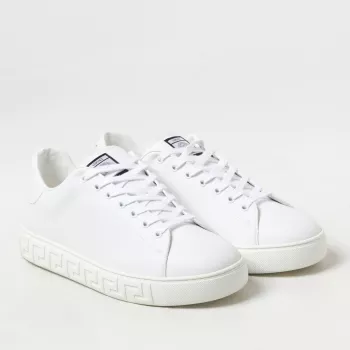
Versace Calfskin Sneakers are a luxury leather sneaker option built around a refined finish that can pivot between casual and dressed-up styling. They’re a strong fit for anyone who wants a sleek calfskin look with recognizable designer presence.
FAQ
Do calfskin sneakers stretch over time?
Calfskin can soften and relax slightly in width as it molds to your foot, but the overall length won’t change much. Choose a size that feels comfortable in the toe box right away and prioritize a secure heel fit from the start.
How do leather sneakers handle rain?
Brief exposure is usually manageable if you’ve applied a protector spray and you dry them promptly afterward. Avoid heavy rain, never use direct heat to dry leather, and condition after drying to restore suppleness.
How can scuffs be removed from smooth calfskin?
Start with gentle buffing using a soft cloth; many light scuffs lift with friction alone. If needed, use a leather-safe cleaner sparingly, then finish with a small amount of conditioner—avoid harsh chemicals or abrasive pads.








Leave a comment