How to Operate an Ice Cream Machine: 7 Easy Steps

How to operate an ice cream machine step by step?
Operating an ice cream machine is mostly about getting the temperatures right, working clean, and moving quickly once the mix hits the cold surface. The steps below work well for countertop machines, including rolled ice cream models, where timing and scraping technique matter.
1) Set up on a stable, well-ventilated surface
Place the machine on a flat counter with space around vents. Confirm the power switch is off before plugging in. Make sure the pans/cylinders are clean, dry, and seated correctly.
2) Pre-chill or pre-freeze as required
If your machine has a built-in compressor, turn it on and allow the freezing surface to reach operating temperature before adding mix. If it uses a freezer bowl, freeze the bowl fully (typically overnight) before assembling.
3) Prepare your base mix
Use a cold mix for faster freezing and smoother texture. Strain out lumps and pre-measure add-ins (fruit, cookies, chocolate) so they’re ready when you start.
4) Start the freezing cycle and add the mix
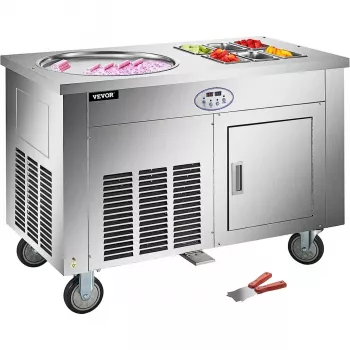
Begin the freeze mode, then pour in the recommended amount—avoid overfilling. For rolled ice cream, spread a thin layer across the pan so it freezes evenly.
5) Mix, scrape, and shape
Churn-style machines: let the dasher run until the mixture thickens to soft-serve consistency. Rolled ice cream: chop and fold add-ins into the base, spread it thin again, then scrape into tight rolls once it firms up.
6) Serve or harden
Serve immediately for soft texture, or transfer to a freezer-safe container to firm up. Work fast to prevent melting during portioning.
7) Power down and clean right away
Turn the machine off and unplug it. Wash removable parts with warm, soapy water; wipe the freezing surface with a damp cloth and dry thoroughly. Never scrape with sharp tools that can gouge the surface.
For machine-specific timing, capacity tips, and rolled-ice-cream workflow during busy periods, follow the detailed guide here: https://ingenue.shop/guide-1800w-double-pan-rolled-ice-cream-machine-rush-hours/.
FAQ
How do you clean a rolled ice cream machine properly?
Unplug the unit, let the surface warm slightly, then wipe the pan with a damp cloth and mild detergent. Wash tools separately, rinse, and dry everything completely to prevent residue and corrosion.









Leave a comment